
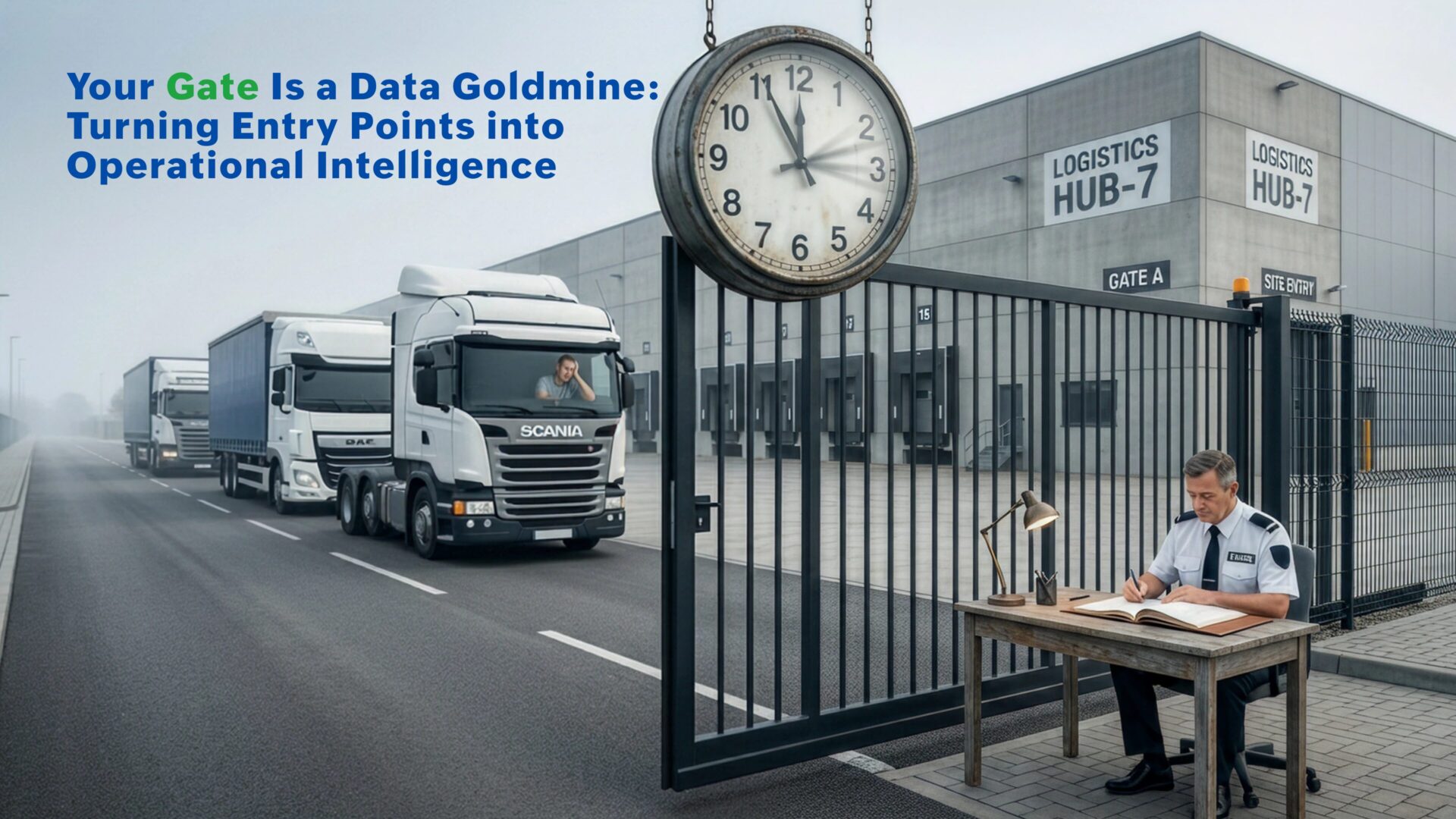
March 12, 2026
-No Comments
Most organizations treat gates as security checkpoints. But in reality, your facility gate generates some of the most valuable operational data in your entire supply chain. Every vehicle entry, visitor…
Most organizations treat gates as security checkpoints. But in reality, your facility gate generates some of the most valuable operational data in your entire supply chain. Every vehicle entry, visitor…
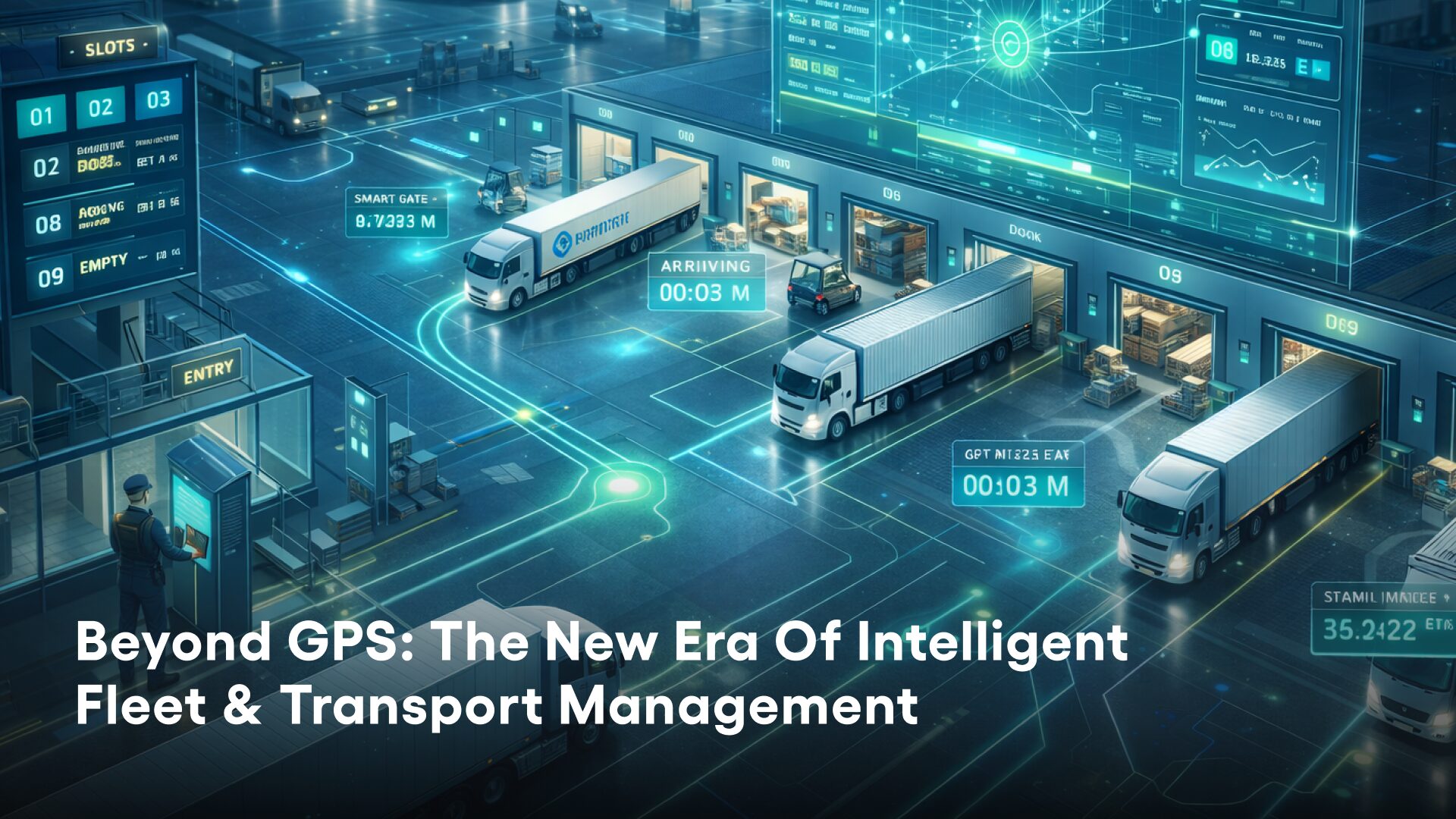
Tracking a vehicle’s location is no longer enough. Today’s transport management systems provide intelligence—not just coordinates. Why Traditional Tracking Falls Short Basic GPS systems show: 1. Where…
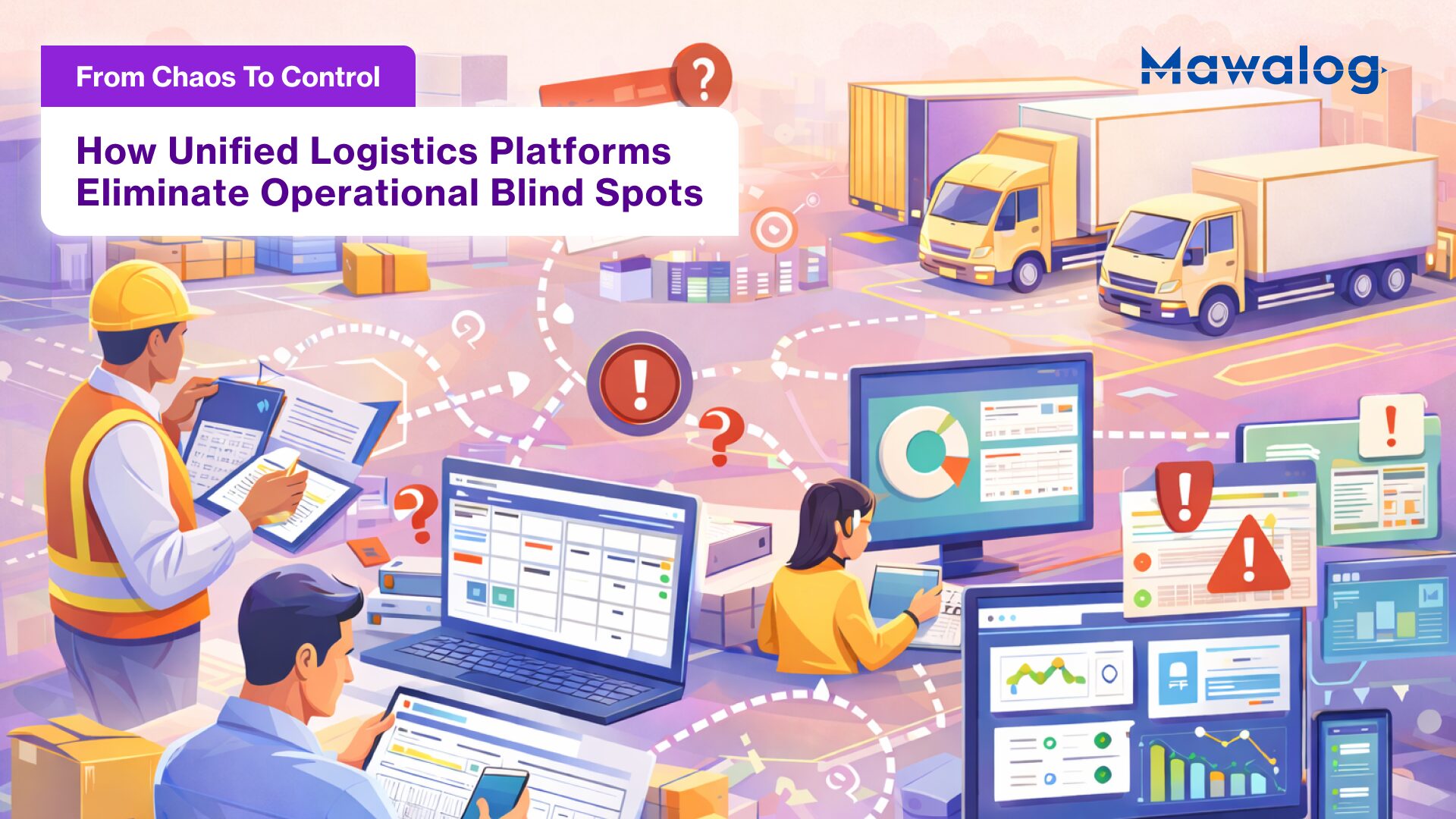
In many growing businesses, logistics operations expand faster than systems can support them. Warehouses use one tool, transport teams rely on another, and management depends on spreadsheets stitched together at…
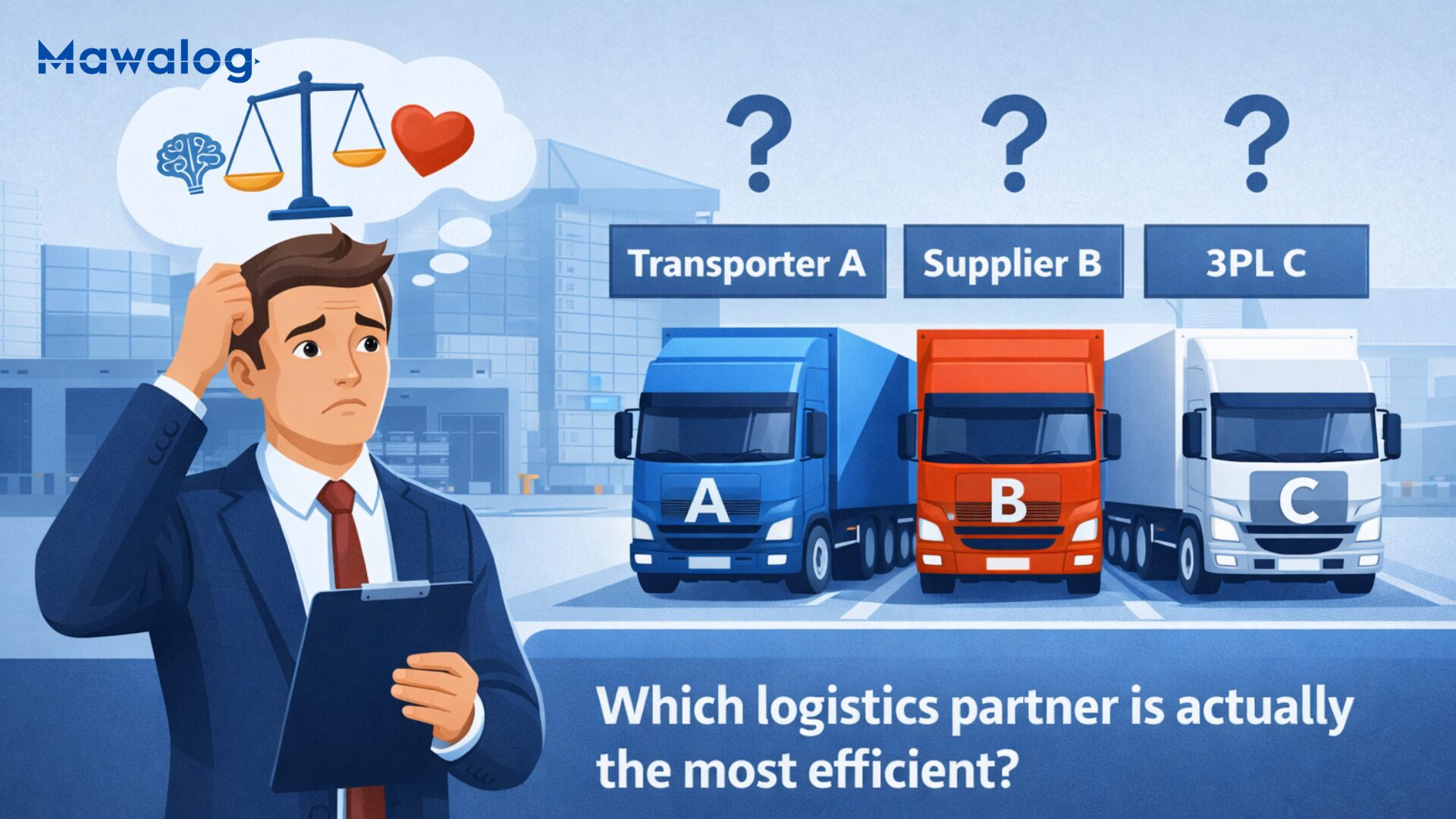
You work with multiple transporters, suppliers, and third-party logistics providers (3PLs).But do you know who your best performer is? Often, we rely on “gut feeling” or relationships.“Transporter A is good…

Operational efficiency isn’t just about trucks and warehouses; it’s also about the environment your employees work in. When an air conditioner fails in the server room or a restroom pipe…
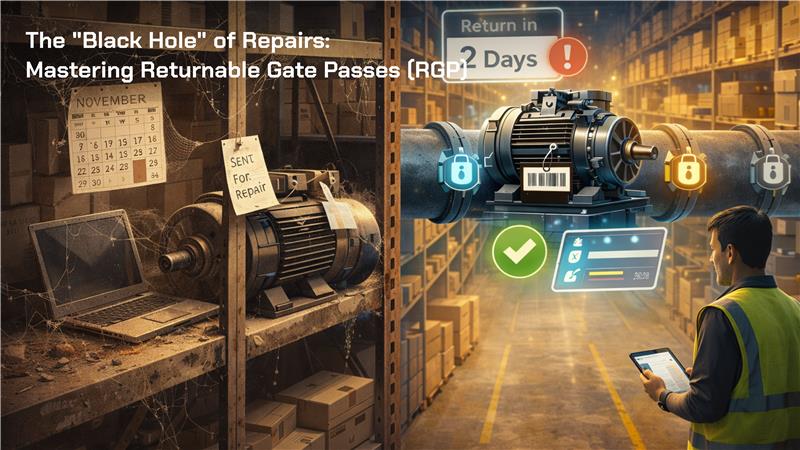
We’ve all been there: A valuable piece of machinery breaks down and is sent out for repair. Six months later, you buy a new one because everyone forgot the original…
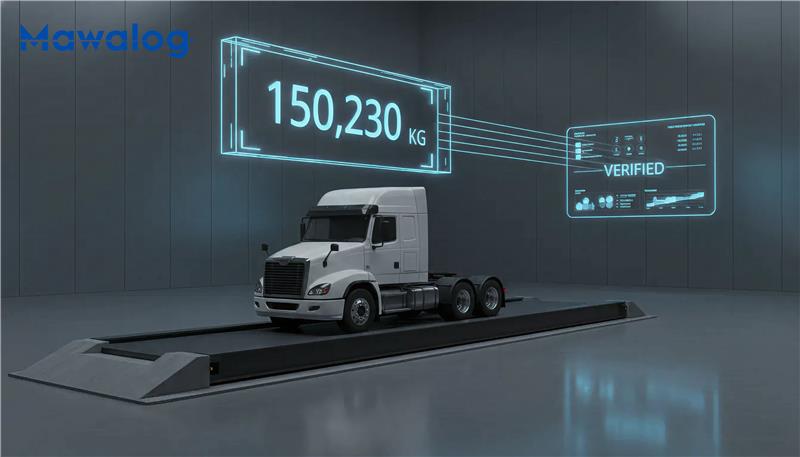
In bulk logistics (commodities, raw materials, scrap), the weighbridge is yourcash register. If the weight is wrong, your revenue is wrong. Yet, manycompanies still rely on manual data entry where…

Sustainability is no longer just a buzzword; it’s a mandate. Customers and stakeholders are increasingly demanding “Green Logistics.” While electrifying your fleet is a long-term goal, you can achieve significant…
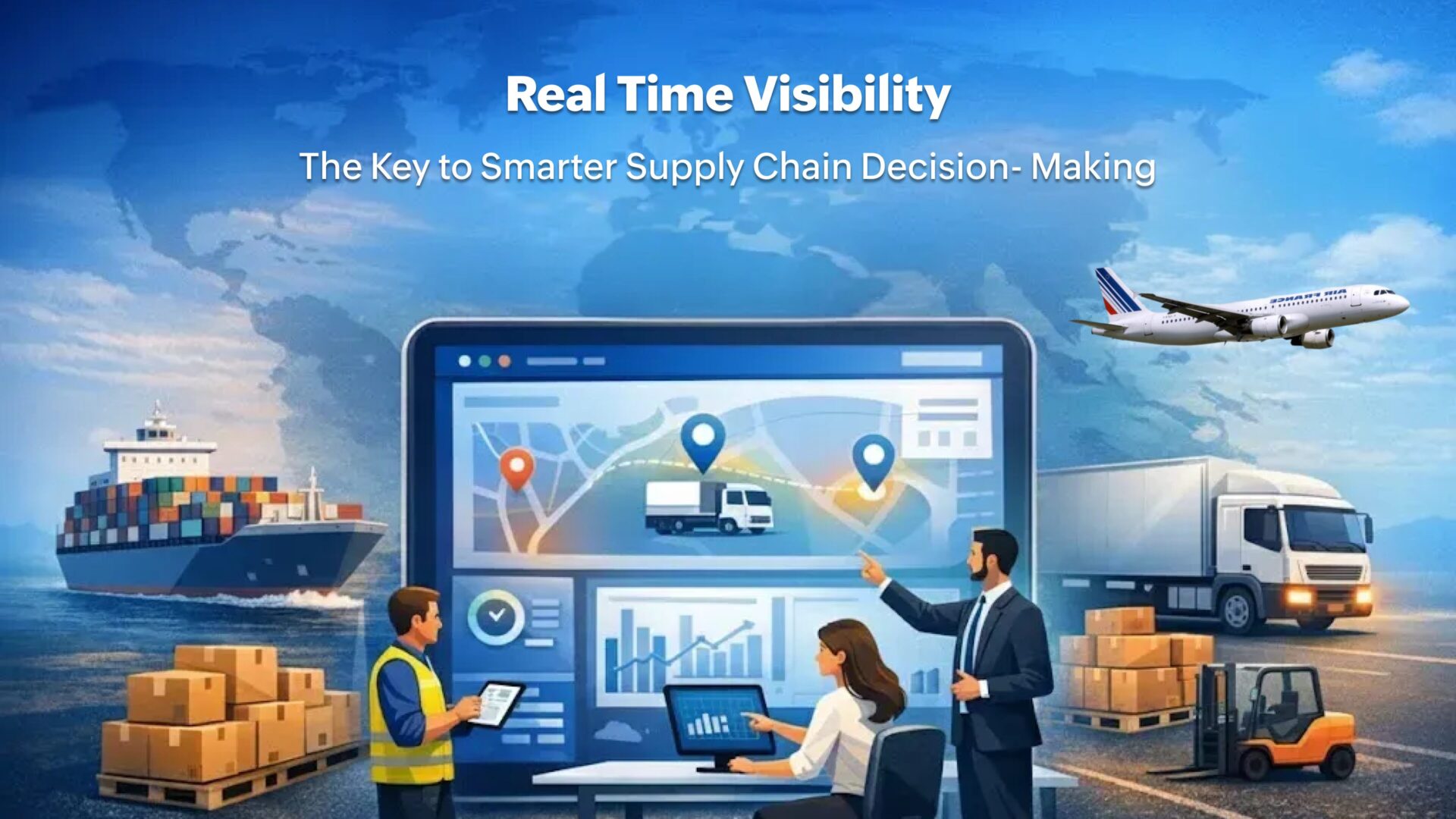
In today’s dynamic and fast-paced supply chain environment, decisions based on outdated or incomplete information can quickly lead to delays, rising operational costs, and missed commitments. To operate efficiently and…

Manufacturing and logistics operations have historically depended on a variety of disconnected systems, spreadsheets, and manual coordination efforts. As businesses grow and operations become more complex, this fragmentation inevitably causes…