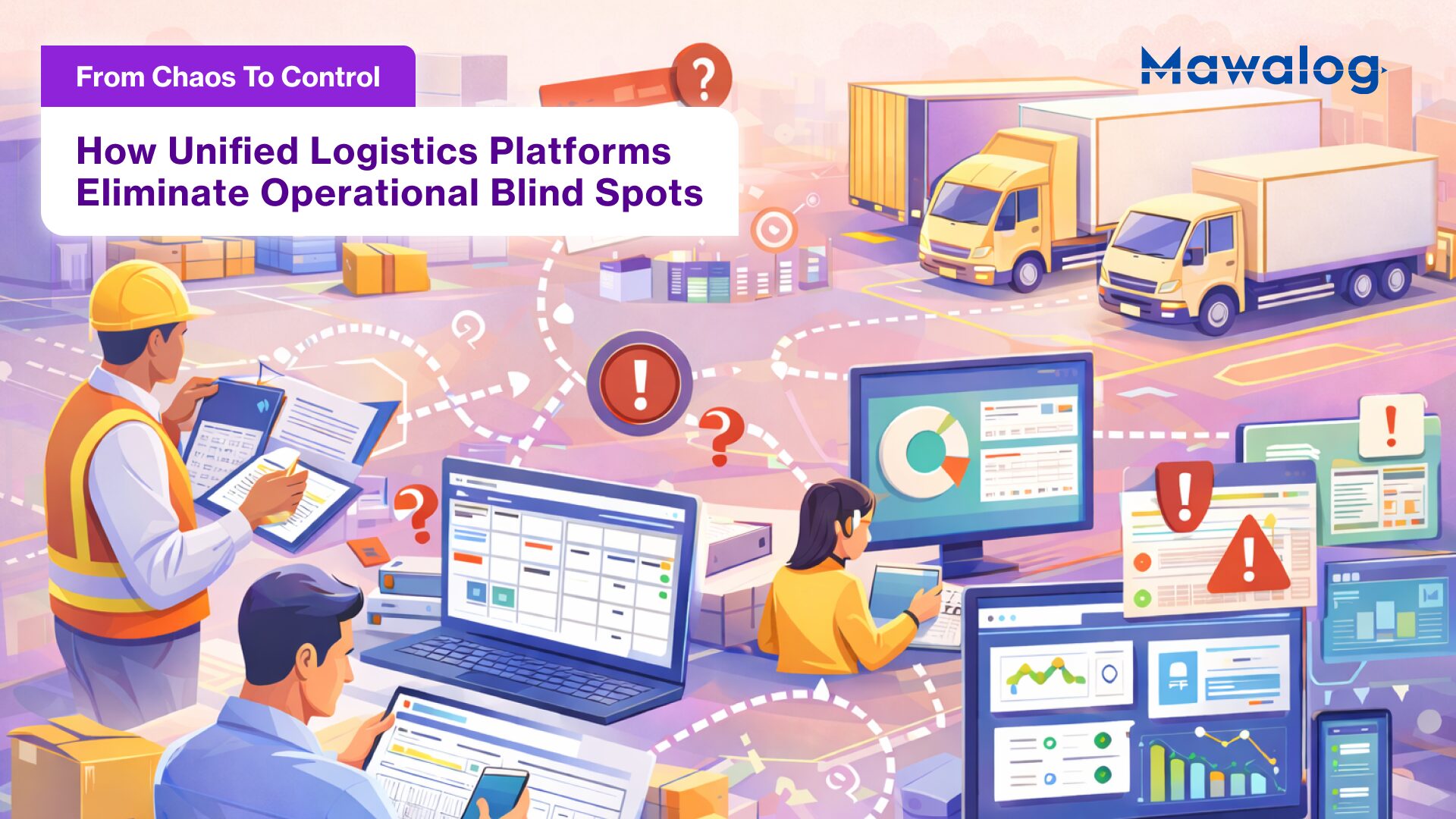
In many growing businesses, logistics operations expand faster than systems can support them. Warehouses use one tool, transport teams rely on another, and management depends on spreadsheets stitched together at the end of the month. The result? Delays, miscommunication, and costly blind spots.
A unified logistics platform changes that entirely.
The Problem with Disconnected Operations
When systems don’t talk to each other:
1. Dock schedules clash with vehicle arrivals
2. Inventory counts don’t match dispatch records
3. Manual entries cause data errors
4. Decision-making is delayed
Operational blind spots create inefficiencies that compound over time.
What a Unified Platform Solves
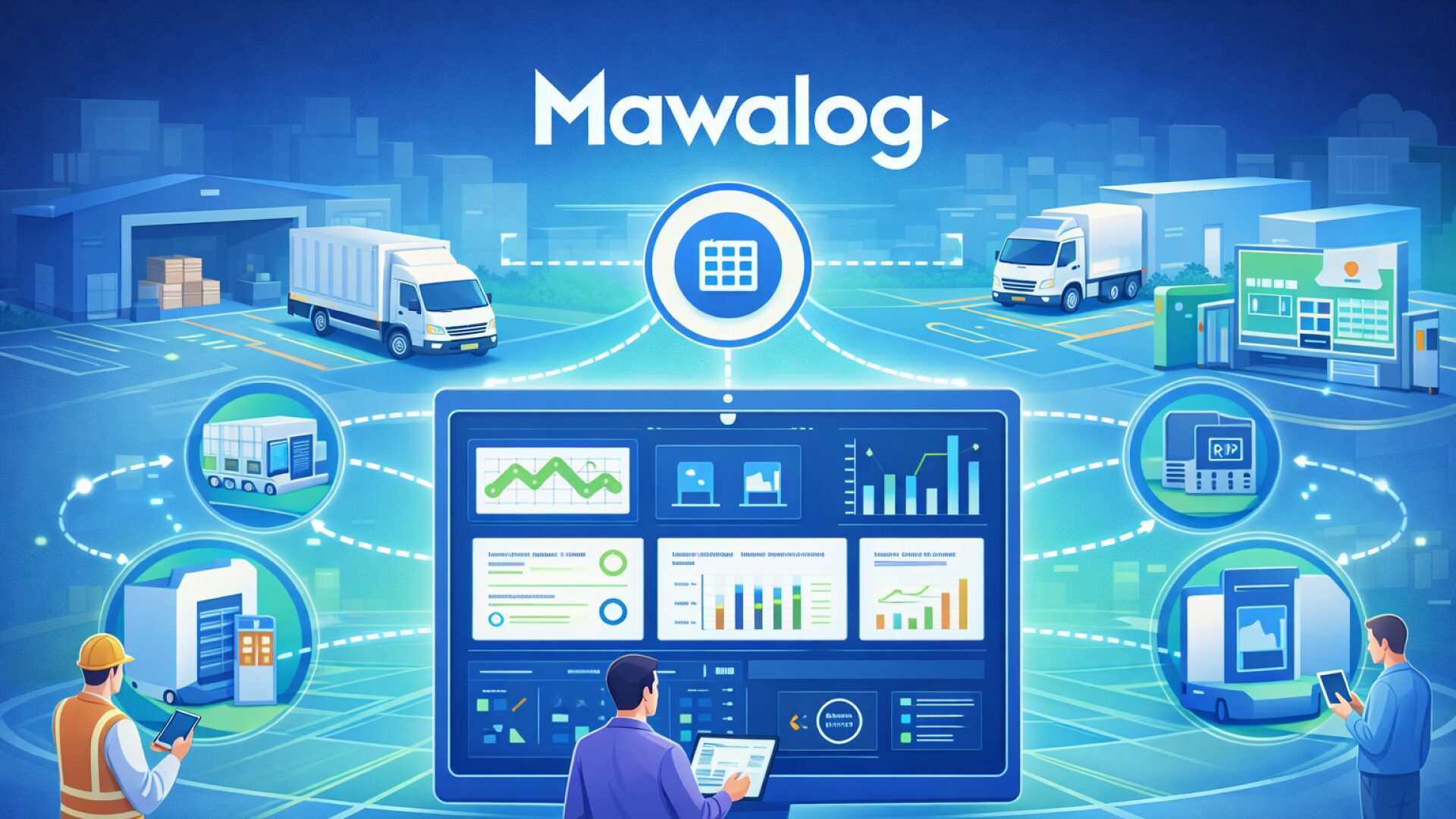
A centralized operations system integrates:
1. Warehouse management
2. Vehicle and trip tracking
3. Gate entry and visitor logs
4. Asset monitoring
5. Real-time reporting dashboards
Everything operates on one ecosystem. No duplicate entries. No guessing.
Real Impact on Business
Companies that shift to unified logistics platforms report:
1. Faster truck turnaround times
2. Reduced manual paperwork
3. Higher inventory accuracy
4. Better cross-team coordination
Instead of reacting to problems, businesses operate proactively with real-time intelligence.
The Future Is Integrated
As supply chains become more complex, integration is no longer optional. Businesses that eliminate blind spots today will dominate tomorrow’s competitive landscape.