
Loading Delays Are Quietly Increasing Logistics Costs
Most companies associate delivery delays with transportation or traffic issues. However, in many logistics operations, delays actually begin much earlier — at the loading dock.
Loading docks play a critical role in supply chain efficiency. When loading activities are not properly managed, even a small delay can create operational bottlenecks that affect dispatch schedules, delivery timelines and overall logistics costs.
The Problem
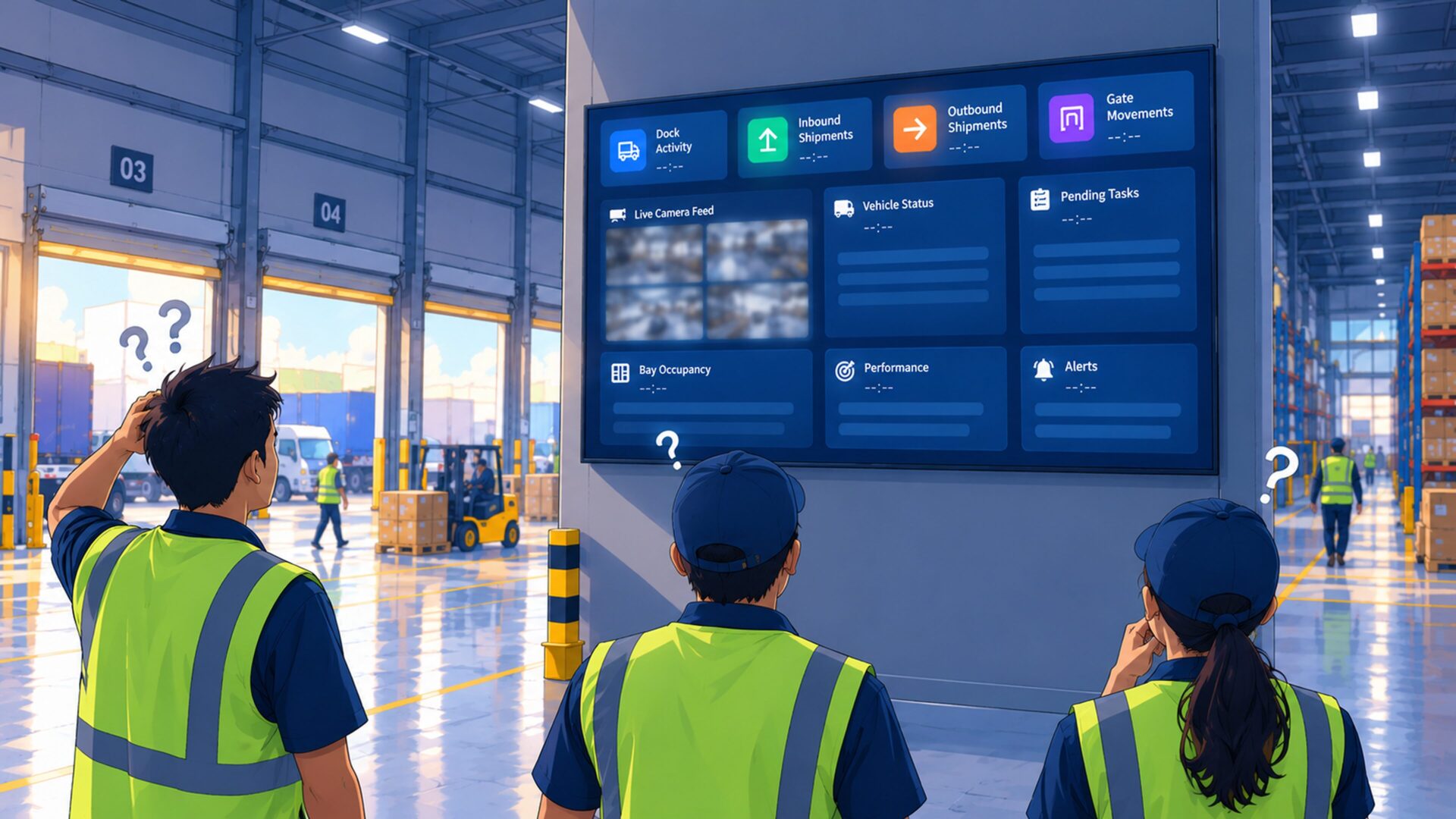
In many facilities, loading dock operations still rely heavily on manual coordination and limited visibility. Trucks often arrive without scheduled appointments, loading teams struggle to manage queues efficiently, and communication gaps slow down the overall process.
Common operational challenges include:
1. Unscheduled or unplanned truck arrivals.
2. Lack of real-time queue visibility.
3. Manual coordination between warehouse and dispatch teams.
4. Inefficient dock allocation.
5. Delays in loading and unloading activities.
6. Limited tracking of dock performance and turnaround time.
These issues create confusion on the ground and reduce the efficiency of logistics operations.
The Operational Impact
Loading delays do not just affect one shipment — they create a chain reaction across the entire supply chain.
The impact often includes:
1. Increased driver waiting time.
2. Dispatch and delivery delays.
3. Dock congestion during peak hours.
4. Poor resource utilization.
5. Reduced warehouse productivity.
6. Higher operational and transportation costs.
7. Missed delivery commitments and customer dissatisfaction.
Over time, these inefficiencies directly affect business performance, especially for organizations managing high daily vehicle movement.
Why Dock Visibility Matters
Real-time visibility is essential for smooth dock operations. Without accurate tracking and monitoring, operations teams cannot quickly identify bottlenecks, optimize schedules or improve turnaround times.
A smart dock monitoring system helps businesses:
1. Monitor live dock activities.
2. Track truck arrivals and departures.
3. Manage loading queues efficiently.
4. Improve coordination between teams.
5. Reduce idle time and congestion.
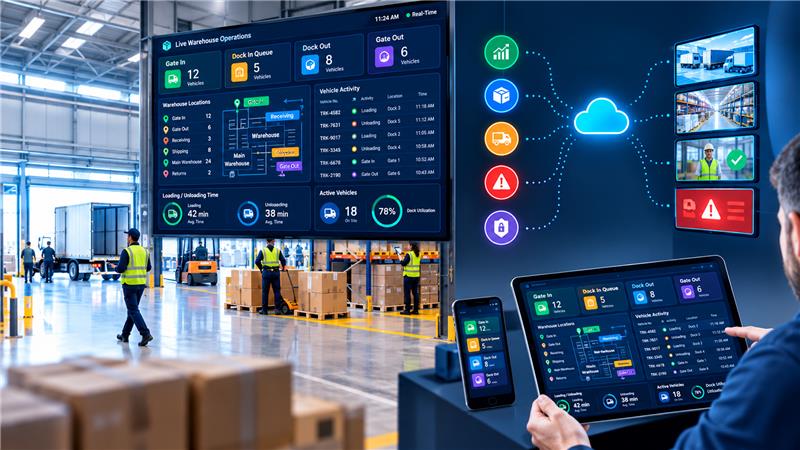
6. Make faster operational decisions using live dashboards and reports.
The Solution
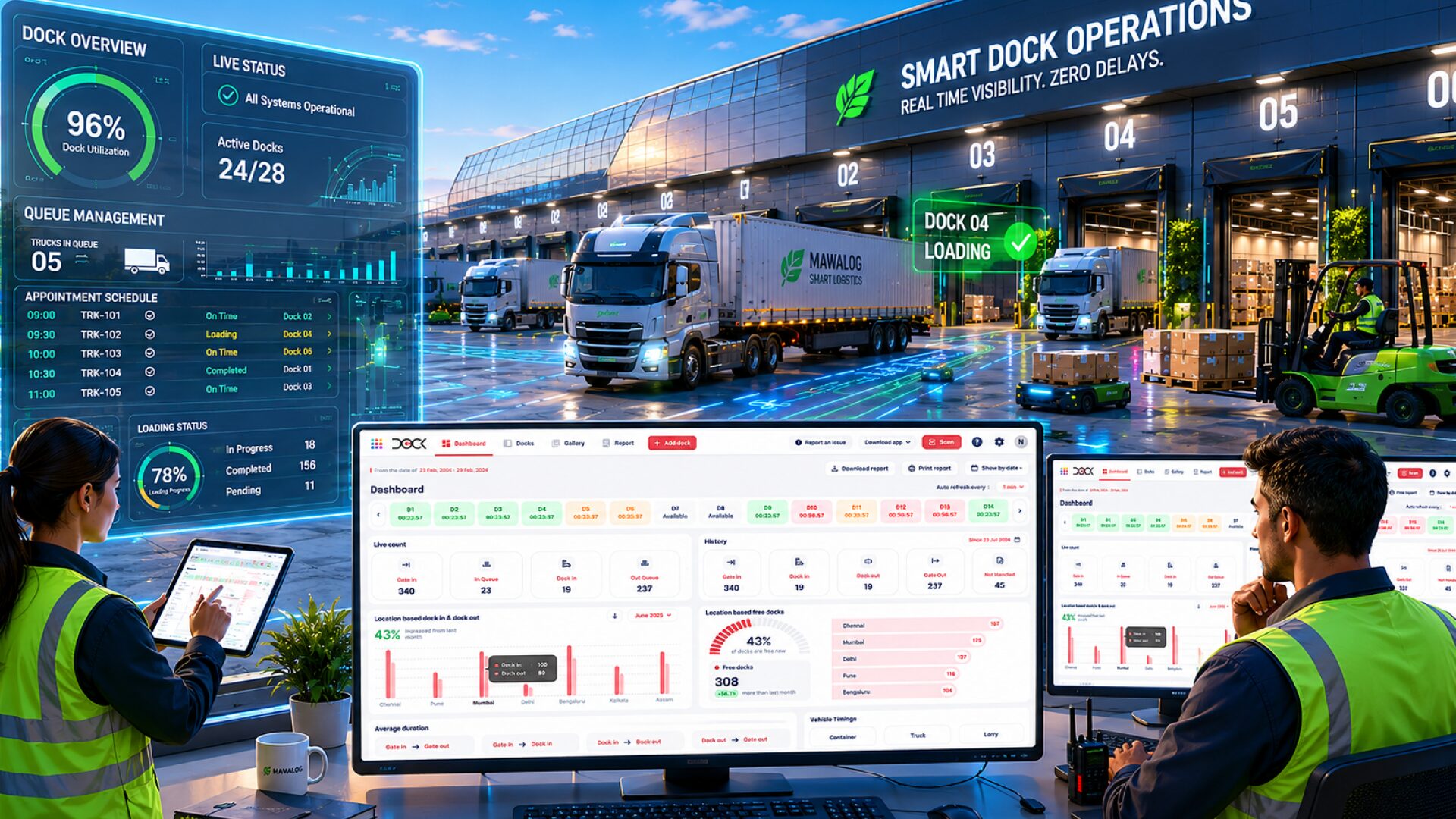
Mawalog Dock Loading Monitoring helps organizations streamline and optimize loading dock operations through intelligent monitoring and automation.
The platform provides:
1. Live dock visibility.
2. Queue and vehicle movement monitoring.
3. Appointment scheduling for trucks.
4. Real-time operational dashboards.
5. Dock utilization tracking.
6. Loading status monitoring.
7. Performance reports and analytics.
By digitizing dock operations, businesses can reduce delays, improve turnaround time, optimize manpower usage and ensure smoother logistics execution.
Final Thoughts
Efficient logistics operations start long before a vehicle reaches the road. Improving loading dock management is one of the most effective ways to reduce delays, increase operational efficiency and control logistics costs.
With Mawalog Dock Loading Monitoring, businesses gain the visibility and control needed to transform dock operations into a faster, smarter and more efficient process.