

Businesses often assume GPS tracking alone can solve transport inefficiencies. However, vehicle location visibility without operational intelligence creates gaps that still lead to delays, miscommunication, and poor fleet coordination.
The Problem
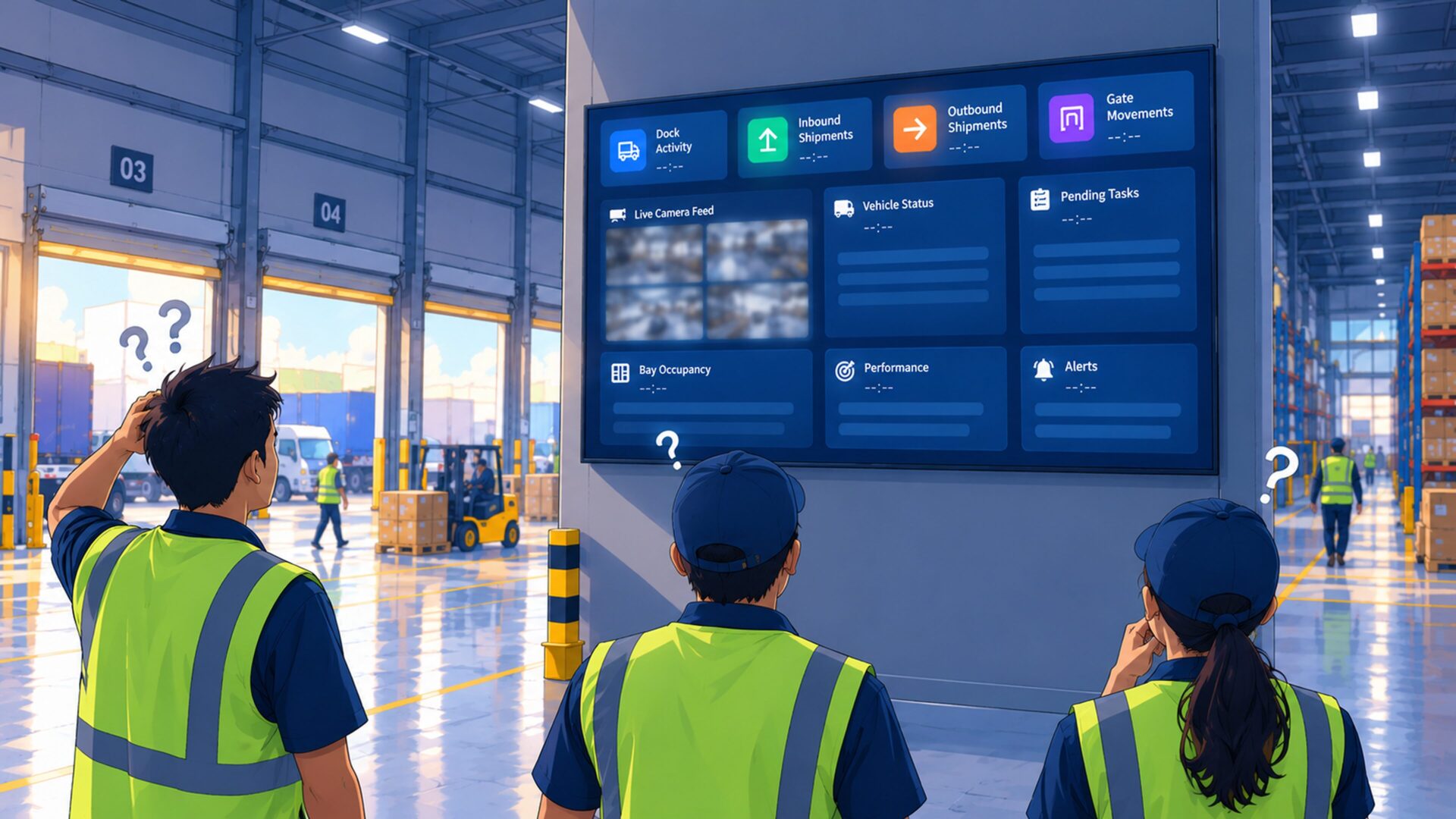
Transport operations involve much more than knowing where vehicles are. Many teams still face daily operational challenges that reduce efficiency and impact delivery timelines.
Transport teams frequently struggle with:
1. Route deviations
2. Communication gaps with drivers
3. Last-minute delivery changes
4. Lack of ETA visibility
5. Manual dispatch coordination
Without operational visibility, logistics managers spend time reacting to issues instead of preventing them.
The Business Impact
Small operational inefficiencies can create major business consequences over time. Poor planning and a lack of visibility often affect both operational costs and customer experience.
Poor transport planning can lead to:
1. Increased fuel costs
2. Delayed customer deliveries
3. Reduced fleet productivity
4. Lower operational efficiency
5. Declining customer satisfaction
Over time, these inefficiencies directly affect customer satisfaction and profitability.
The Solution
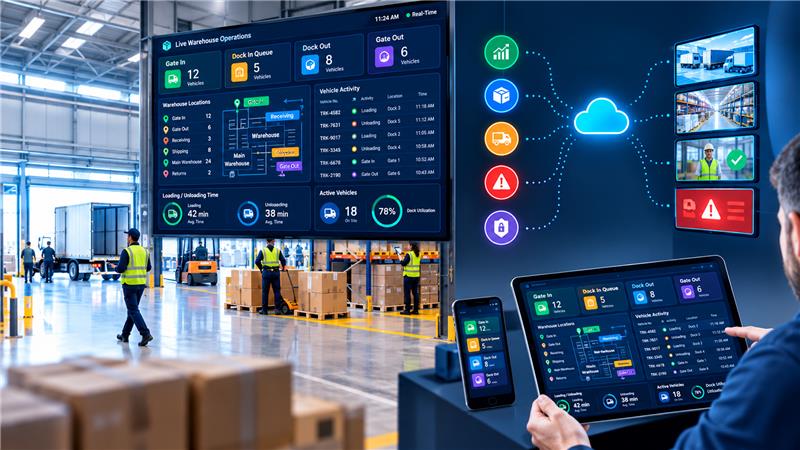
Modern transport operations require more than vehicle tracking. Businesses need complete visibility, proactive monitoring, and better decision-making tools to optimize fleet performance.
Mawalog Transport Management combines:
1. Live vehicle tracking
2. Route planning and optimization drivers
3. Real-time monitoring
4. Dispatch visibility
5. Operational analytics
Instead of simply tracking movement, organizations gain end-to-end transport control, improve visibility across operations, and achieve predictable delivery performance.