Introduction
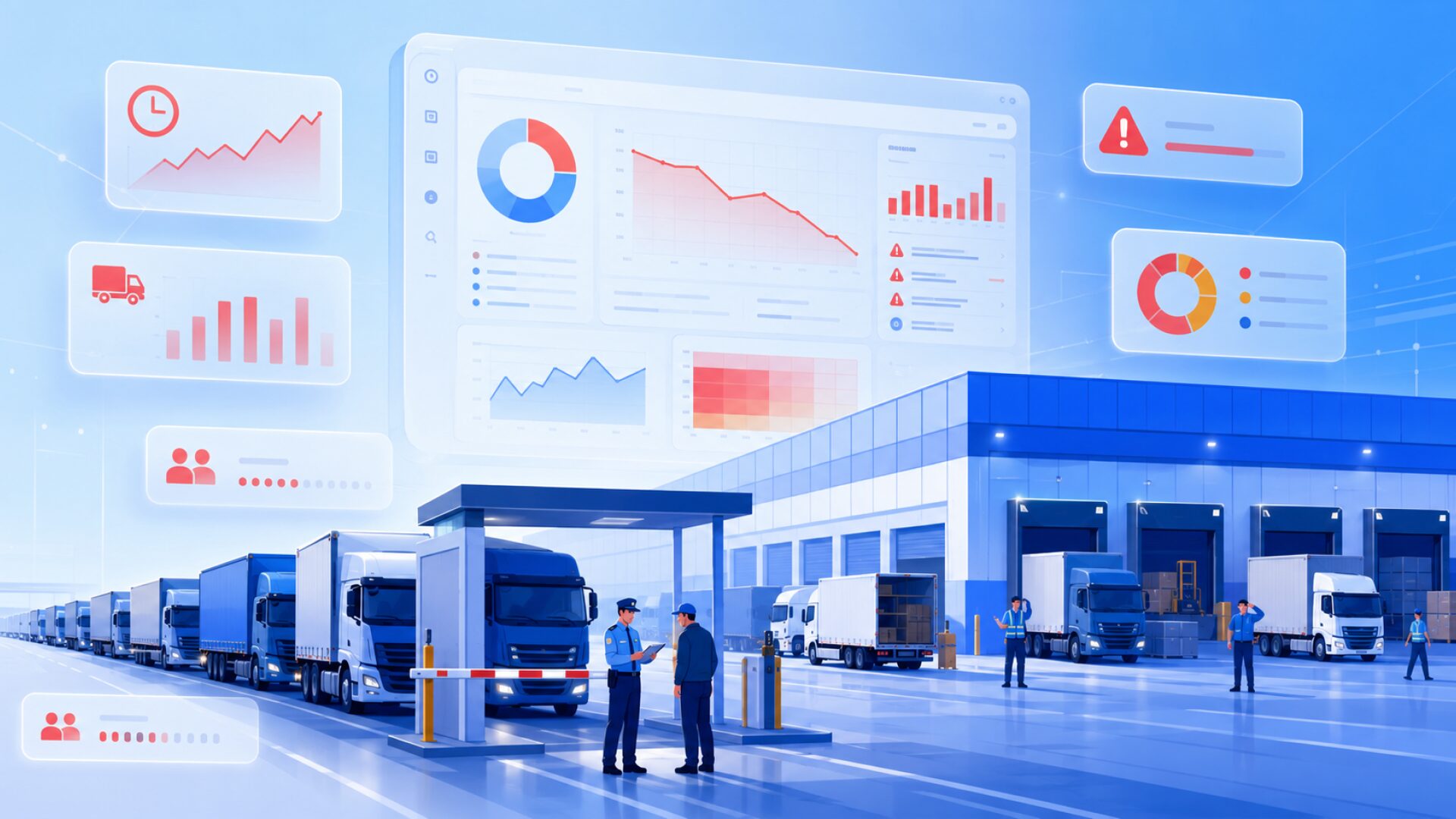
Truck waiting time is one of the biggest hidden inefficiencies in warehouse and manufacturing operations.
A vehicle may arrive on time, but delays at the gate, dock, or loading area can impact the entire supply chain.
The real challenge is not only the delay — it is the lack of visibility into where and why the delay happens.
The Hidden Causes Behind Vehicle Delays
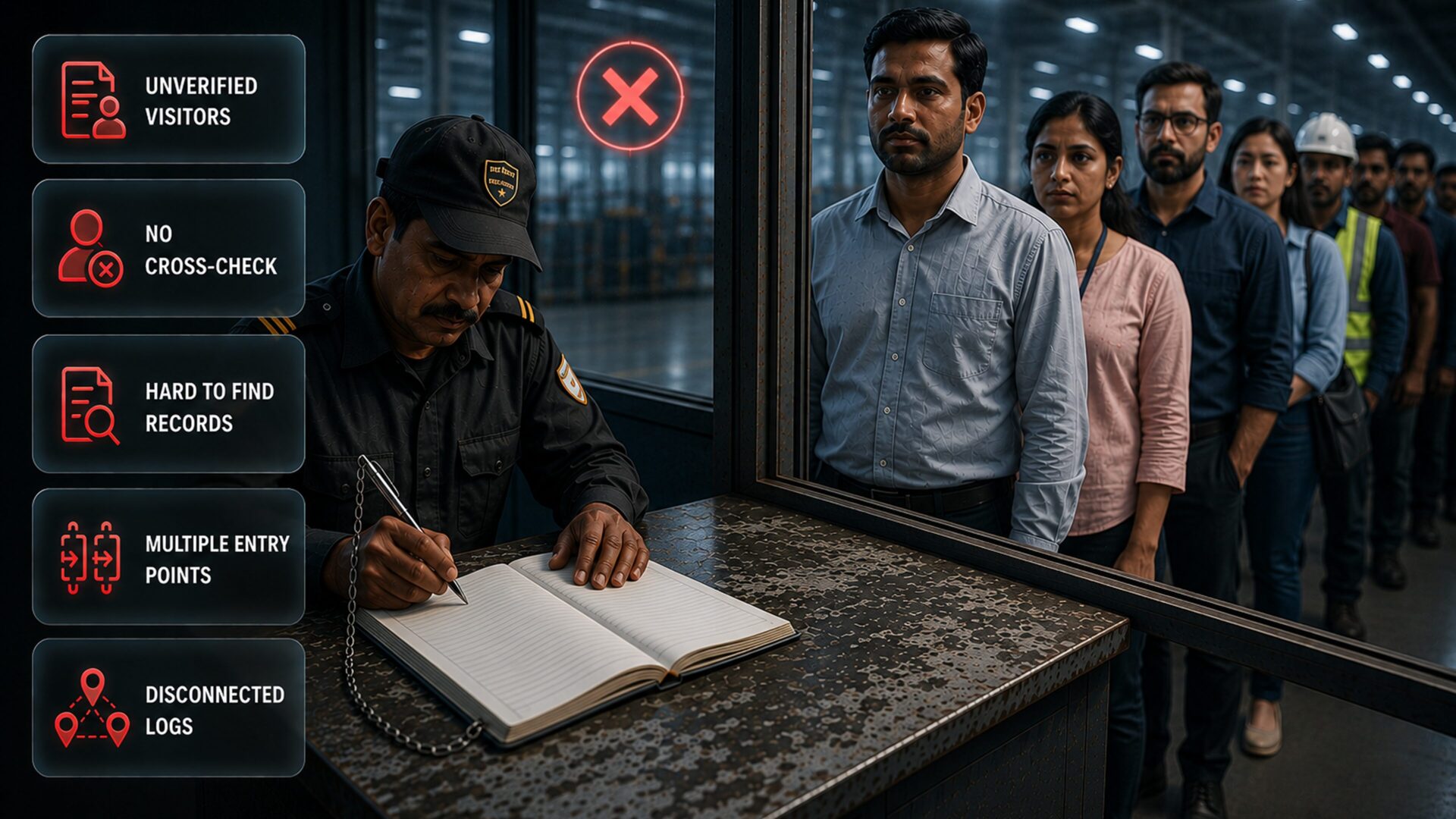
1. Manual Gate Processes
Many facilities still depend on manual entries, phone calls, and paperwork for vehicle verification.
This creates unnecessary waiting time and slows down the entire process, from vehicle arrival to loading.
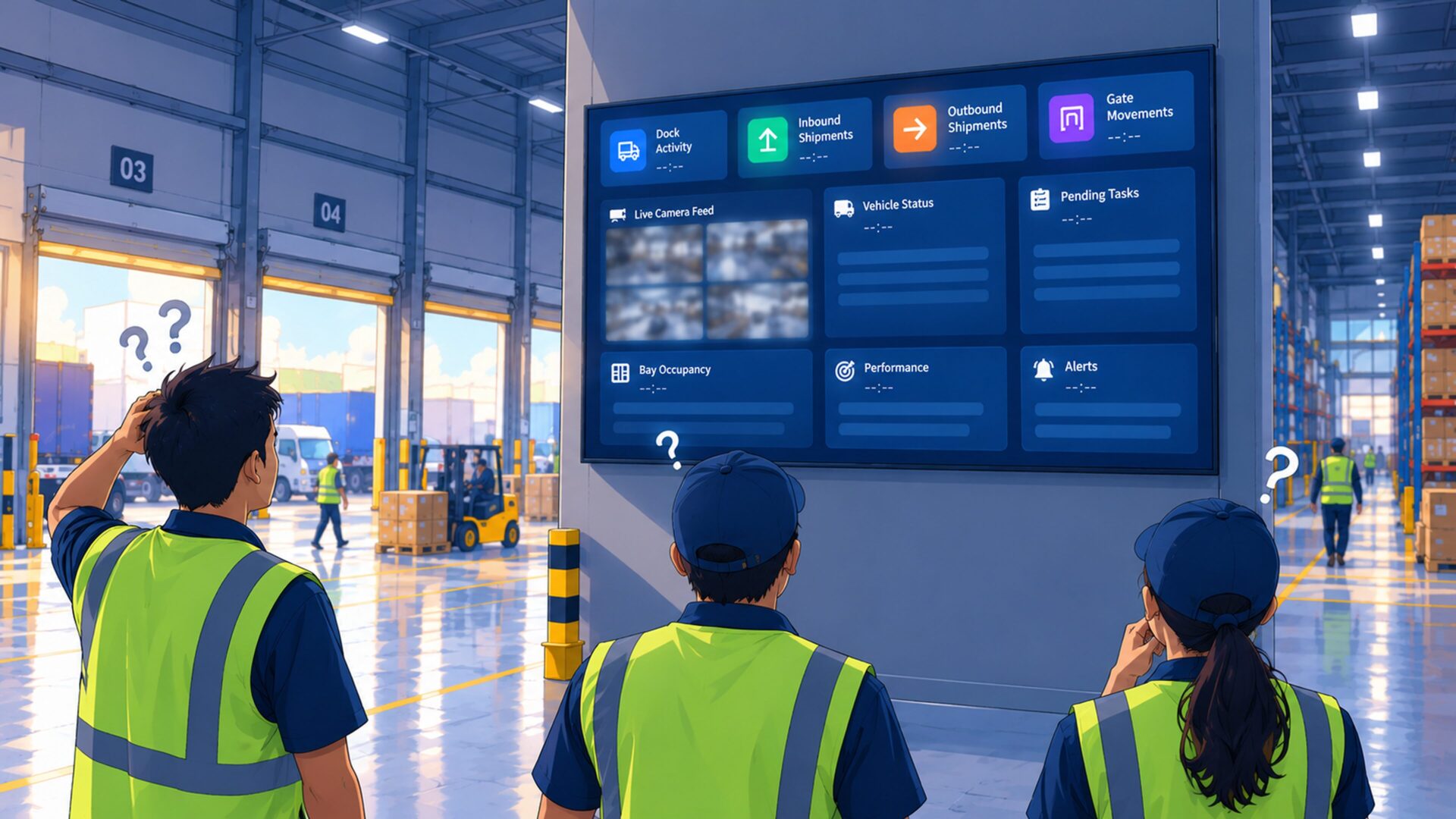
2. Lack of Dock Visibility
After entering the facility, trucks often wait because teams do not have real-time information about dock availability.
Without proper coordination, vehicles remain idle while warehouse resources are underutilized.
3. No Clear Delay Tracking
When a truck gets delayed, businesses often know the outcome but not the reason.
They cannot identify:
1. Where the delay started
2. How much time was lost
3. Which process needs improvement
Without accurate data, operational issues continue repeating.
Impact of Longer Vehicle Waiting Time
Increased Turnaround Time
Longer waiting reduces vehicle efficiency and affects daily operations.
Higher Transportation Costs
Driver waiting hours and reduced fleet utilization increase operational expenses.
Lower Warehouse Productivity
Delayed vehicles create pressure on loading teams and impact shipment schedules.
Solution: Real-Time Gate and Dock Visibility
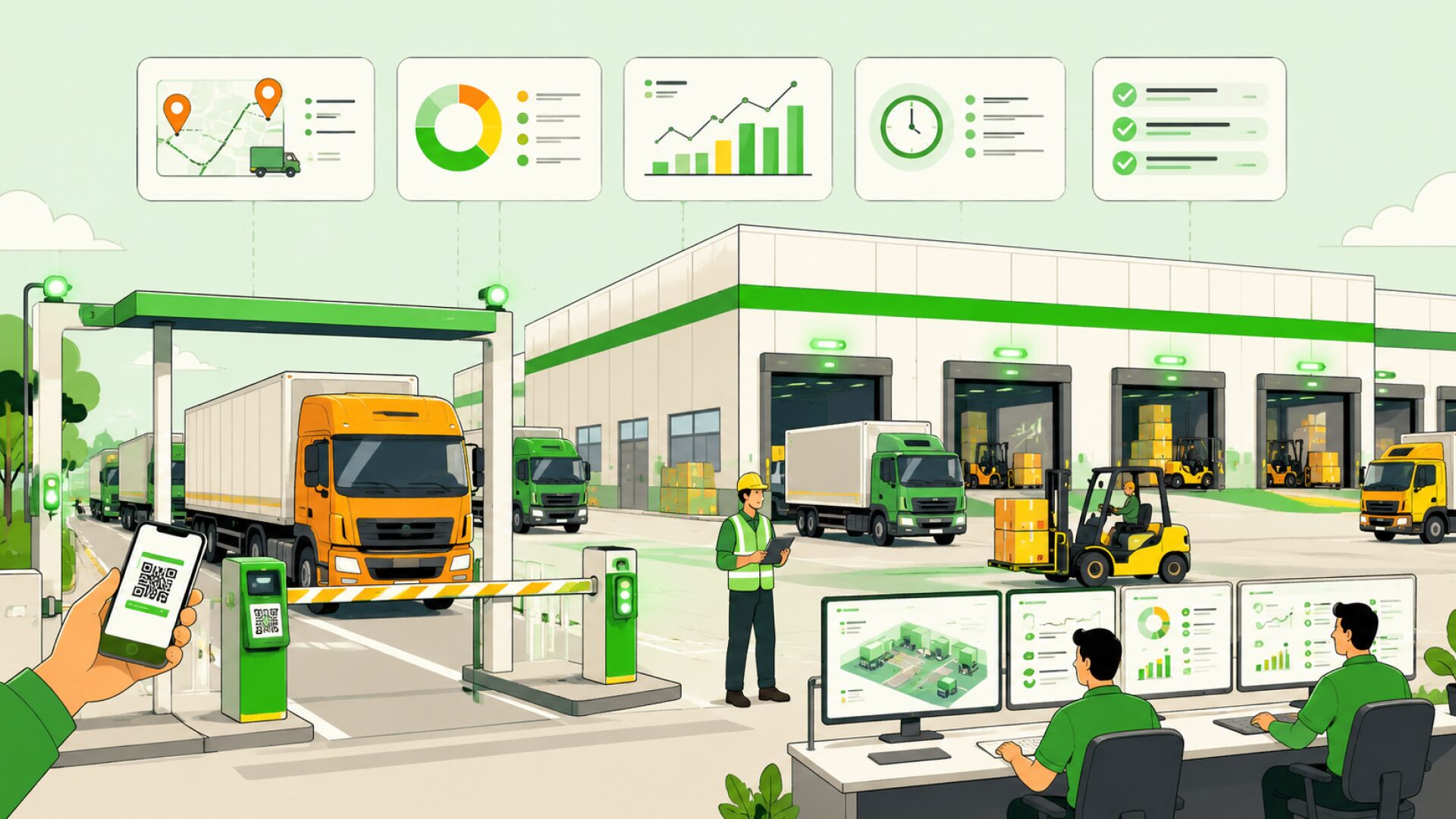
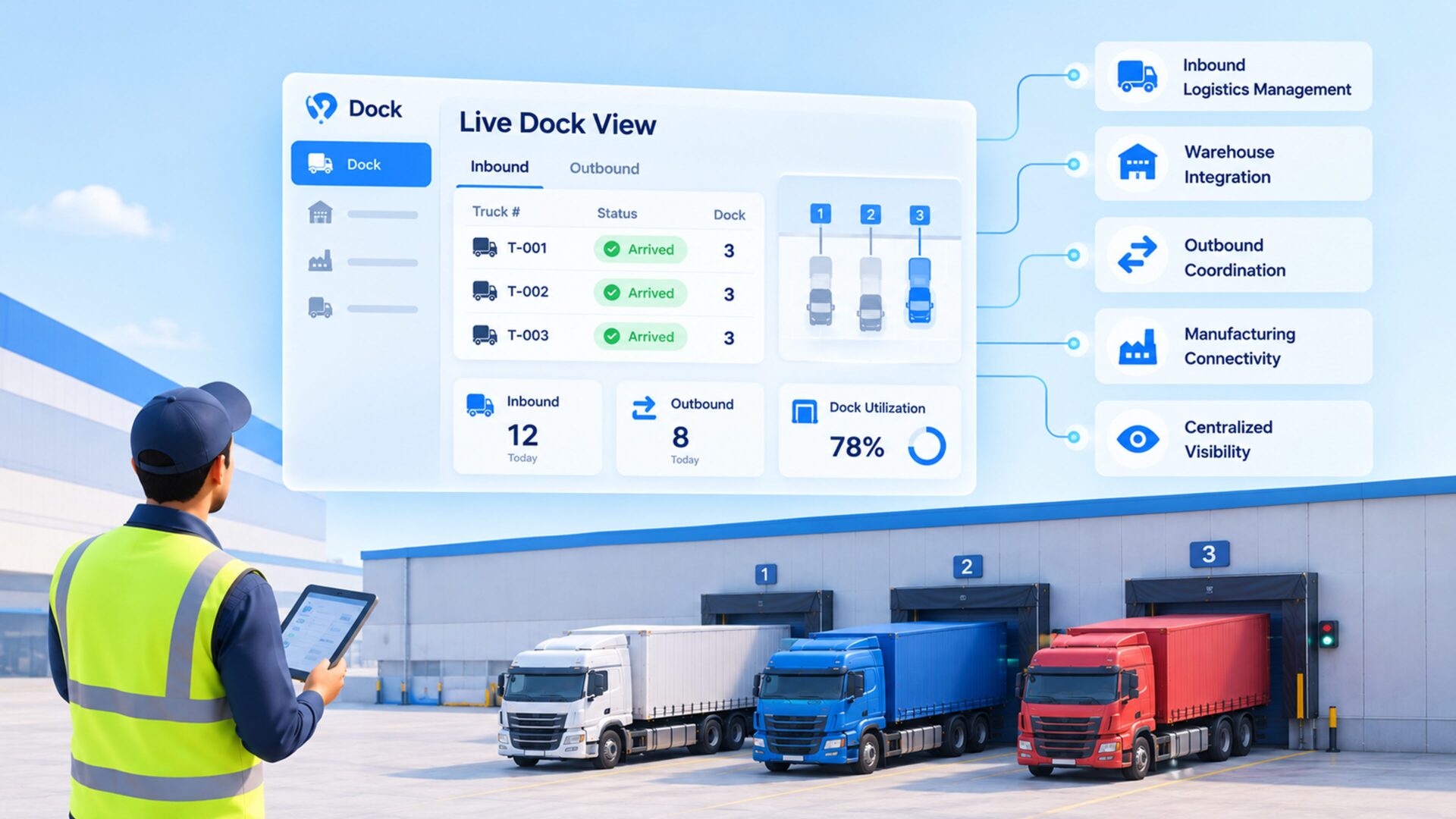
A connected Gate and Dock Management system provides complete visibility across the vehicle journey:
1. Vehicle arrival tracking
2. Faster verification process
3. Smart dock allocation
4. Loading status monitoring
5. Exit time tracking
With real-time insights, teams can identify bottlenecks and improve vehicle movement.
How Mawalog Helps
Mawalog helps businesses streamline vehicle operations by connecting gate activities and dock operations in one platform.
With Mawalog Gate and Dock Management, companies can:
1. Reduce manual processes
2. Improve vehicle turnaround time
3. Optimize dock utilization
4. Track operational performance
5. Make faster decisions with real-time data
Conclusion
Vehicle delays are often not transportation problems — they are visibility problems.
By connecting every stage of vehicle movement, businesses can reduce waiting time, improve efficiency, and build smarter operations.
Better visibility. Faster movement. Improved productivity.