
Introduction
Customer complaints are a natural part of every business. The real challenge is not receiving complaints — it is managing them efficiently.
Today, customers reach businesses through multiple channels:
1. Email
2. Phone calls
3. WhatsApp
4. Website forms
5. Other communication platforms
When complaints are handled across different channels without a centralized system, teams struggle to track, prioritize, and resolve issues on time.
The result? More complaints, slower responses, and reduced customer satisfaction.
The Problem: Customer Issues Are Scattered Across Multiple Channels
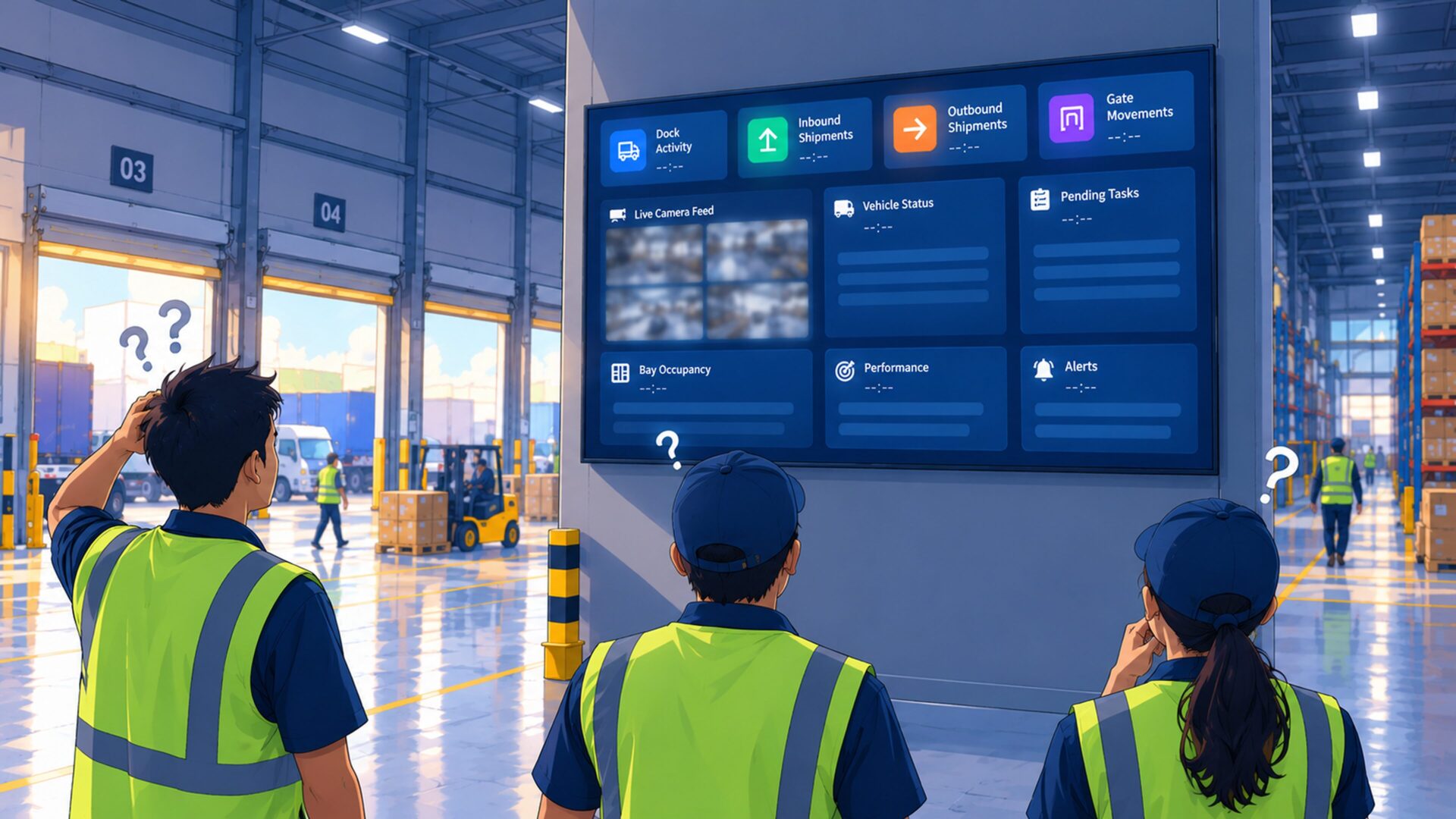
No Single View of Customer Complaints
When customer requests come from different platforms, information becomes fragmented.
Teams may struggle to answer:
1. How many complaints are currently open?
2. Which issues need immediate attention?
3. Who is responsible for resolving each complaint?
4. How long has a customer been waiting?
Without a unified system, important requests can easily be missed.
Manual Follow-Ups Create Delays
Many organizations still manage complaints through:
1. Email threads
2. Spreadsheets
3. Manual reminders
4. Internal messages
As complaint volume increases, tracking every issue becomes difficult.
A delayed follow-up can lead to:
1. Longer resolution times
2. Repeated customer inquiries
3. Increased workload for support teams
Lack of Accountability
Without proper ticket ownership and tracking, teams may face confusion:
1. Who is handling this complaint?
2. What is the current status?
3. When will it be resolved?
This creates unnecessary delays and affects customer trust.
Impact of Poor Complaint Management
Missed Follow-Ups
Without proper tracking, some customer issues may remain unnoticed or unresolved for longer periods.
SLA Violations
Businesses often have response and resolution commitments.
Without SLA monitoring, teams may miss deadlines and fail to meet customer expectations.
Customer Dissatisfaction
Slow responses and repeated follow-ups create a poor customer experience.
Customers expect businesses to provide:
1. Faster responses
2. Clear communication
3. Quick resolutions
Solution: Centralized Complaint Management
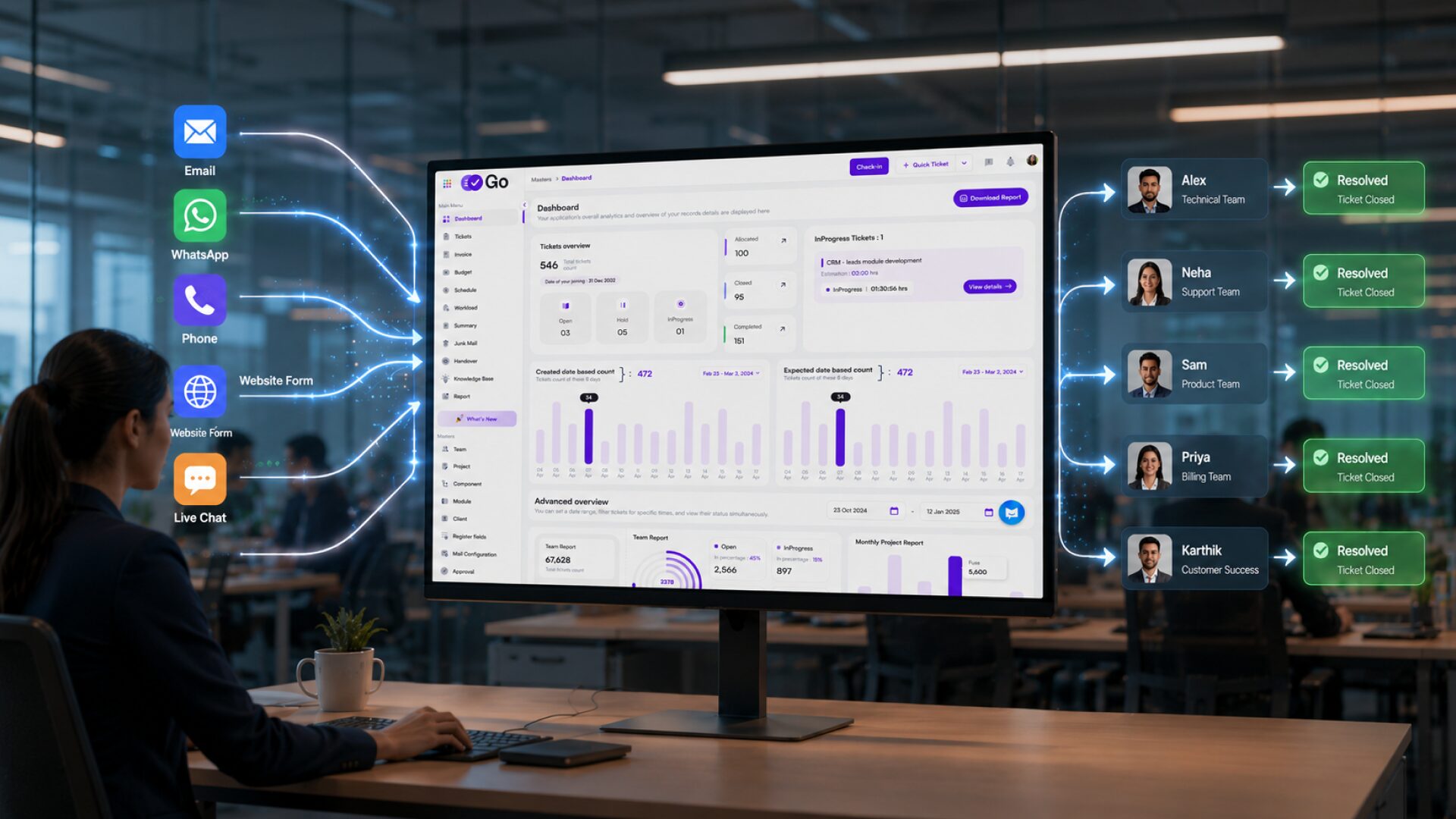
A centralized complaint management system brings all customer issues into one platform.
Instead of managing complaints across multiple channels, teams get complete visibility and control.
A smart ticketing system enables:
1. Ticket creation and tracking
2. Complaint prioritization
3. SLA monitoring
4. Automated workflows
5. Status updates
6. Team assignment and accountability
This helps support teams resolve issues faster and improve customer relationships.
How Mawalog TickGo Helps
Mawalog TickGo helps businesses manage customer complaints through a centralized and intelligent ticket management system.
With TickGo, teams can:
1. Capture complaints from multiple channels
2. Track every issue from creation to resolution
3. Assign tickets to the right team members
4. Monitor SLA performance
5. Automate repetitive workflows
6. Analyze complaint trends and improve processes
Instead of reacting to complaints after they escalate, businesses can proactively manage customer issues.
Conclusion
Customer satisfaction depends not only on solving problems but also on how quickly and effectively businesses respond.
When complaints are scattered across different channels, visibility becomes a challenge.
With centralized complaint management, businesses can bring structure to customer support, reduce resolution time, and deliver better experiences.
Every complaint is an opportunity to improve — if you have the right system to manage it.