
Introduction
As businesses grow, their operations become more complex.
New departments are added, teams expand, and companies adopt different software solutions to manage specific needs.
1. One system manages gate activities.
2. Another handles transportation.
3. Another tracks employee operations.
4. Another manages customer complaints.
While these tools solve individual problems, they often create a bigger challenge: disconnected operations.
The problem is not having too few software solutions. The problem is having too many systems that do not communicate with each other.
The Problem: Growing Businesses Create Data Silos
Multiple Systems, Multiple Sources of Information
As companies expand, they often implement separate tools for different departments:
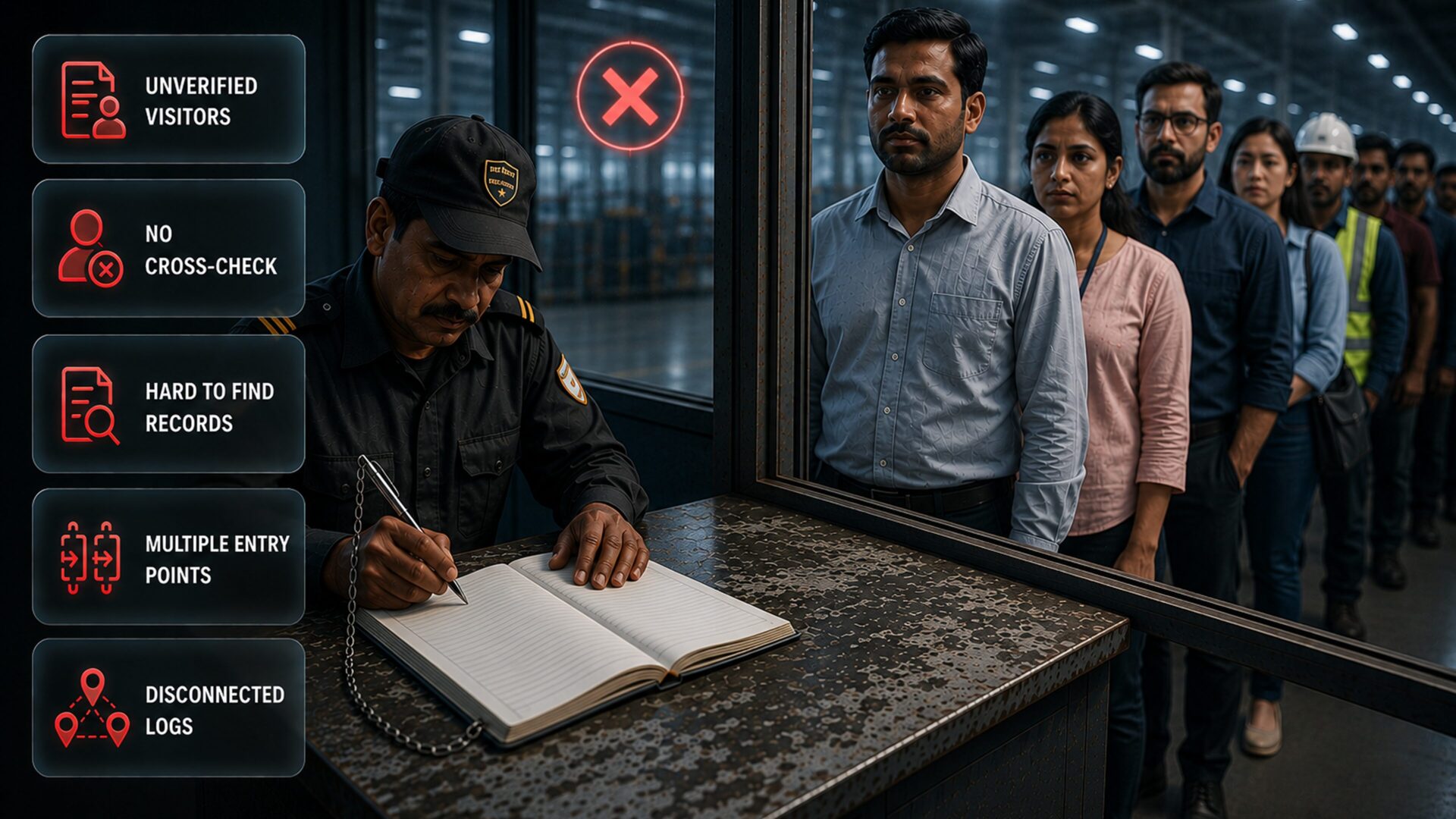
1. Gate management software
2. Transport management software
3. HR systems
4. Complaint management platforms
5. Asset tracking systems
Each system stores valuable information, but when these platforms operate separately, teams have limited visibility across the organization.
Duplicate Work Across Departments
Disconnected systems often force teams to repeat the same tasks. For example:
1. Entering vehicle information in multiple systems
2. Manually sharing updates between teams
3. Preparing reports from different platforms
4. Following up through emails and messages
5. This increases workload and creates opportunities for errors.
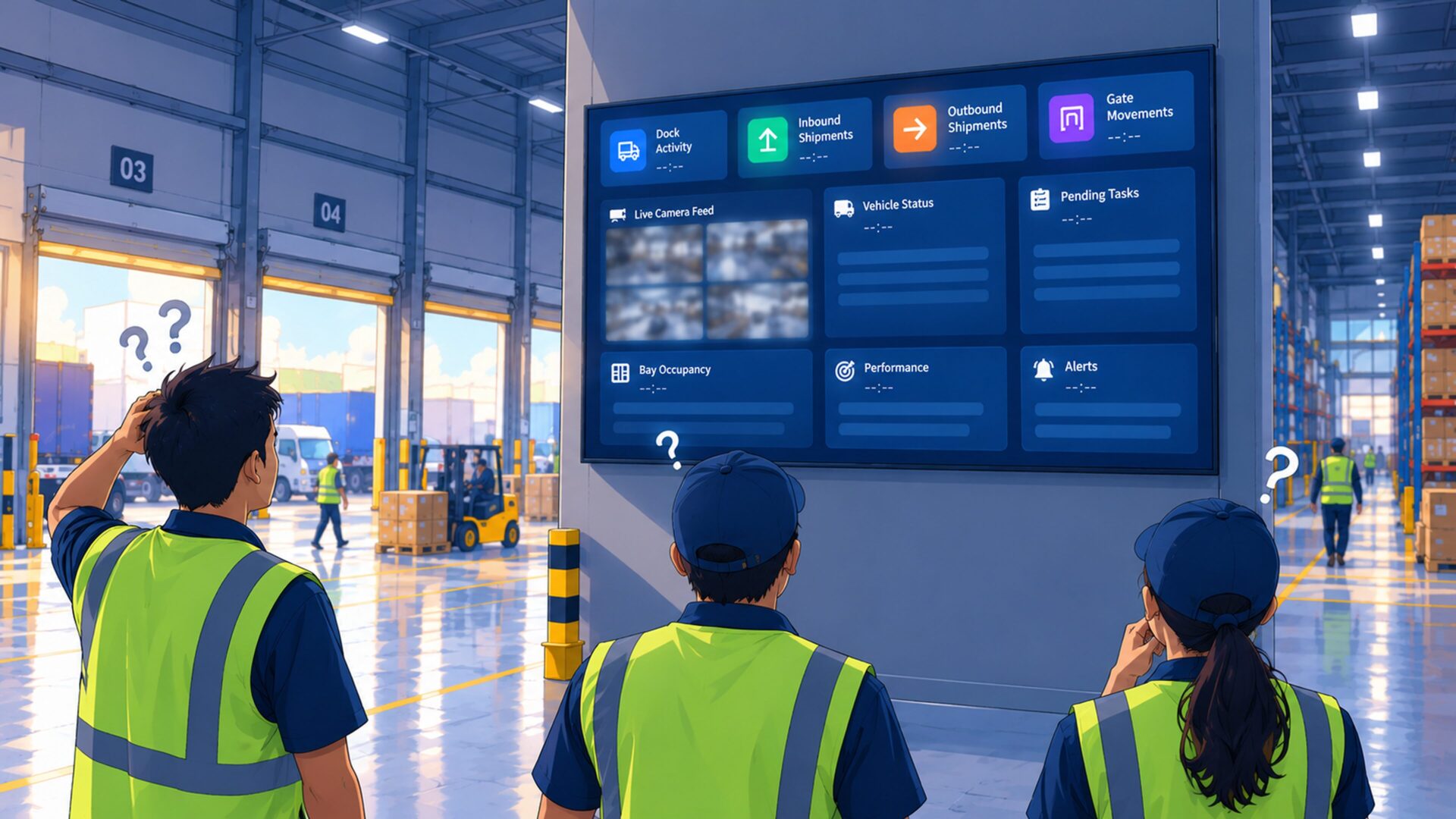
Lack of Real-Time Visibility
When operational data is spread across different systems, leaders struggle to get a complete picture.
They may not know:
1. Current vehicle movement status
2. Warehouse performance
3. Customer issue trends
4. Resource utilization
Without connected data, decision-making becomes slower and less accurate.
Impact of Disconnected Operations
Data Silos
Important information remains locked within individual departments, making collaboration difficult.
Reduced Efficiency
Teams spend more time managing information instead of improving processes.
Poor Decision-Making
Without a complete operational view, businesses often react to problems instead of preventing them.
Solution: A Connected Operations Ecosystem
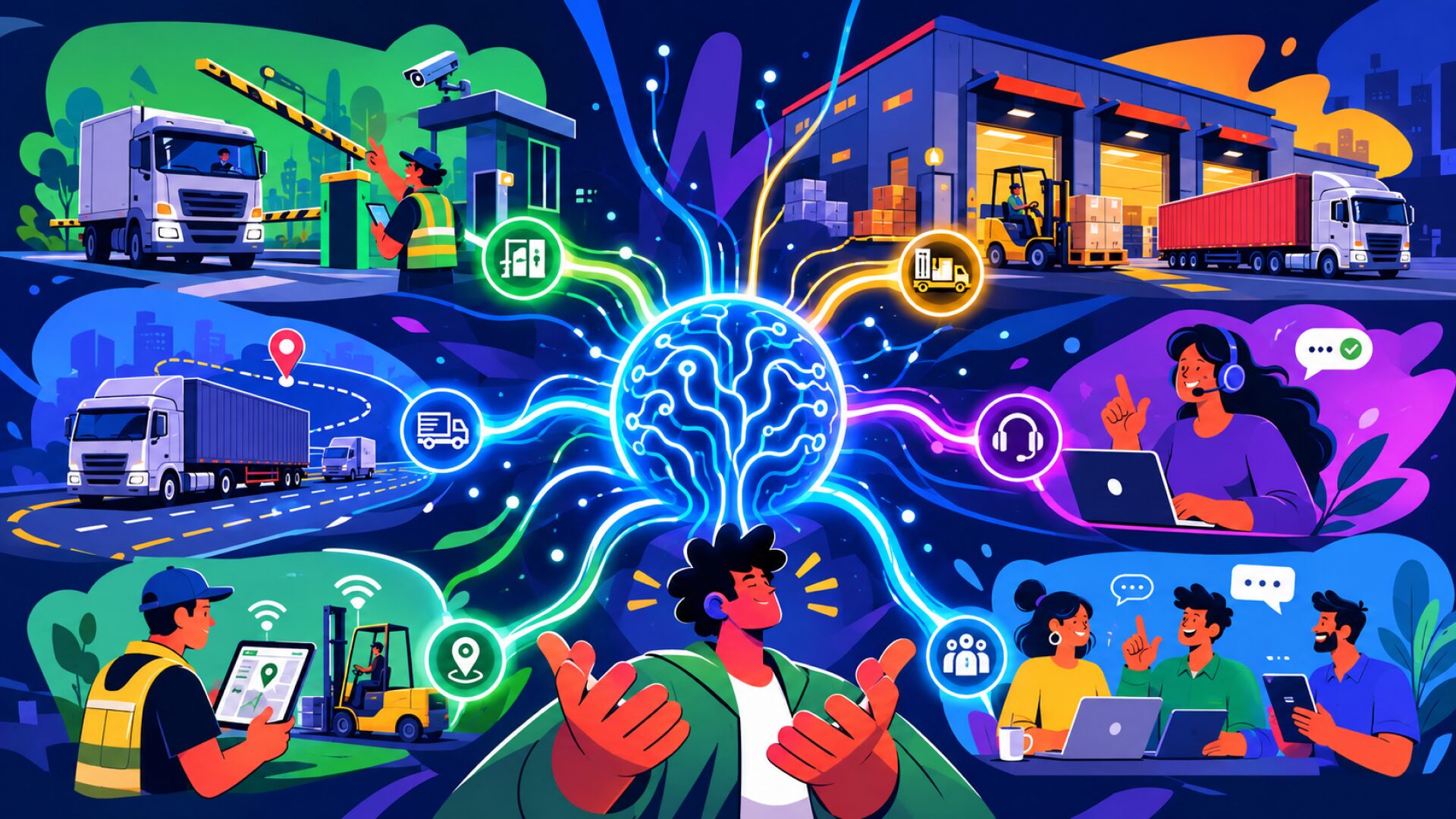
Growing businesses need platforms that connect departments and create a single source of operational intelligence.
A connected ecosystem allows information to flow seamlessly between teams, enabling:
✓ Real-time visibility
✓ Better collaboration
✓ Automated workflows
✓ Faster decision-making
✓ Improved operational control
Instead of managing separate systems, businesses can manage their entire operation through one connected platform.
How Mawalog Creates Connected Operations
Mawalog helps businesses bring different operational functions together through one unified ecosystem.
With Mawalog, companies can connect:
1. Gate Management for vehicle and visitor movement
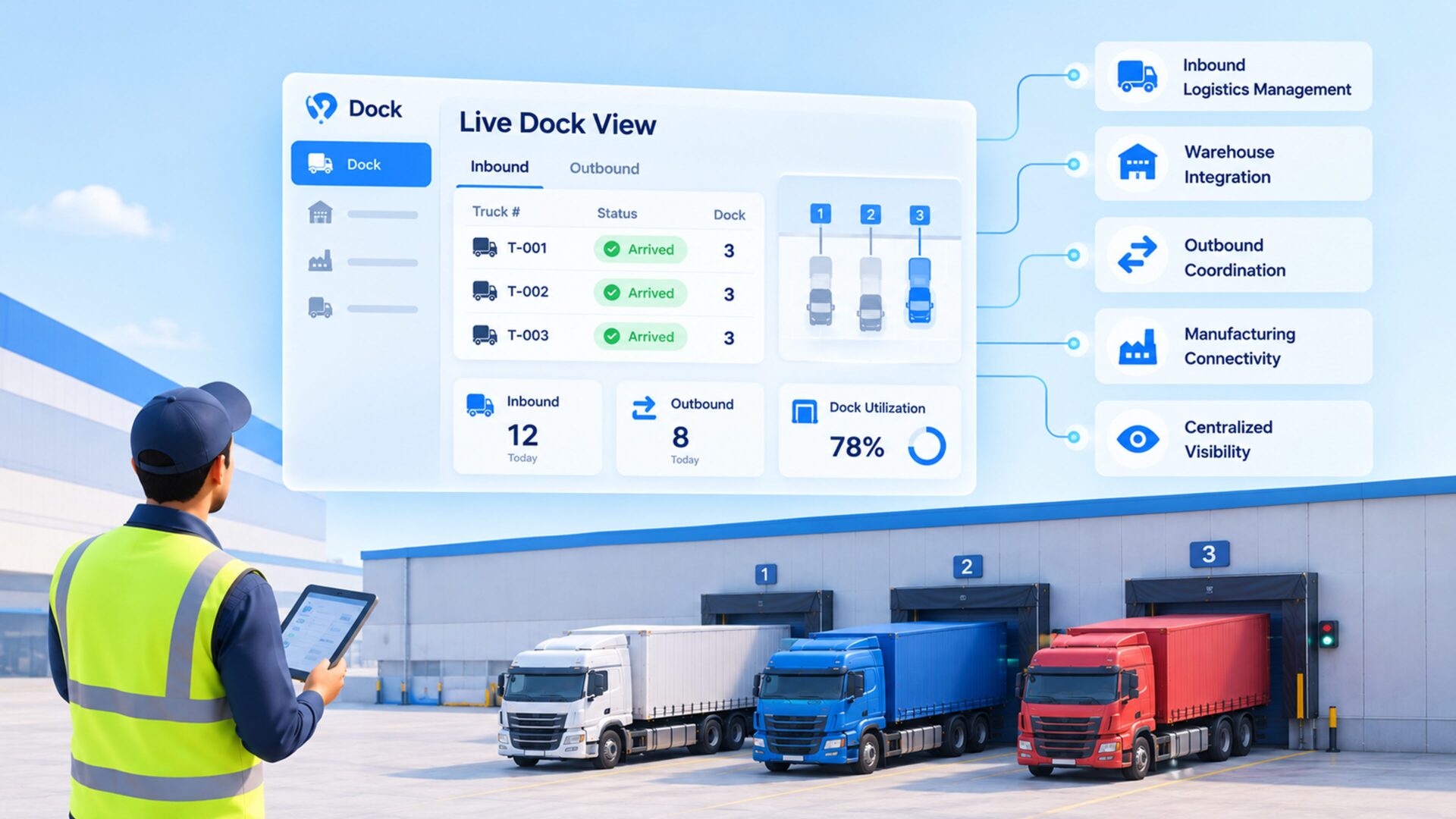
2. Dock Management for loading and unloading operations
3. Transport Management for vehicle tracking and planning
4. TickGo for complaint management
5. Asset Monitoring for asset visibility
6. HR and workplace solutions for employee operations
By connecting these processes, businesses gain a complete view of their operations.
Moving From Software Tools to Operational Intelligence
Traditional approach:
Different departments → Different systems → Scattered information
Modern approach:
Connected departments → Shared data → Smarter decisions
A connected platform does more than store information.
It helps businesses understand what is happening, identify problems faster, and improve performance continuously.
Conclusion
Growth should not mean adding more disconnected tools.
As operations become larger and more complex, businesses need technology that connects people, processes, and data.
A connected operations ecosystem helps companies reduce complexity, improve visibility, and build a more efficient future.
Because the future of business is not more software — it is smarter connectivity.