Introduction
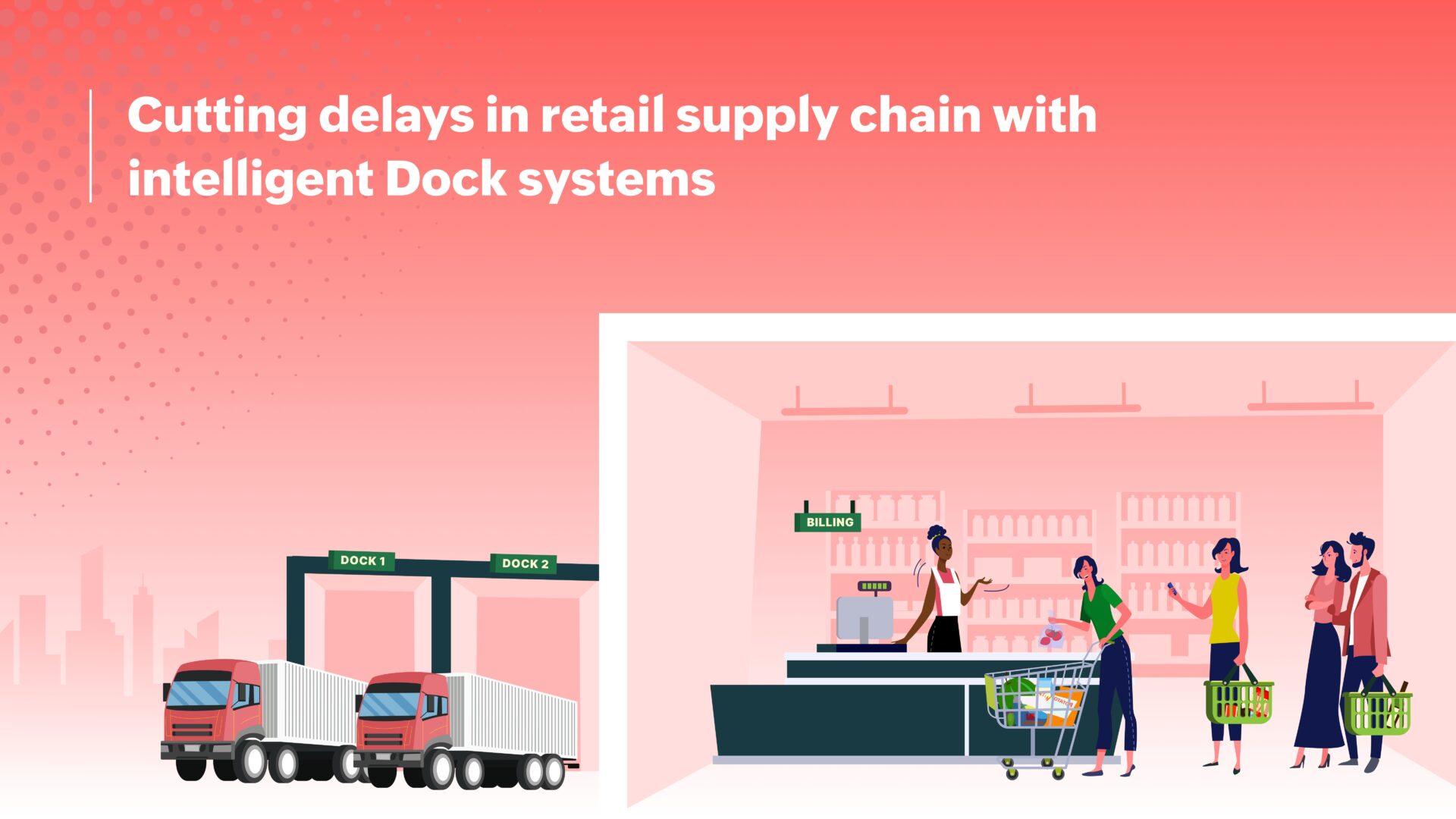
Retail supply networks are fueled by accuracy, speed, and reliability. In the very competitive market of today, delays in loading and unloading merchandise can cause operational disruptions, lower consumer satisfaction, and result in losses. In order to overcome these obstacles, companies are using smart dock systems, which are technologically advanced solutions intended to expedite the flow of goods, simplify dock operations, and eliminate manual bottlenecks.
About Smart Dock Systems in Retail
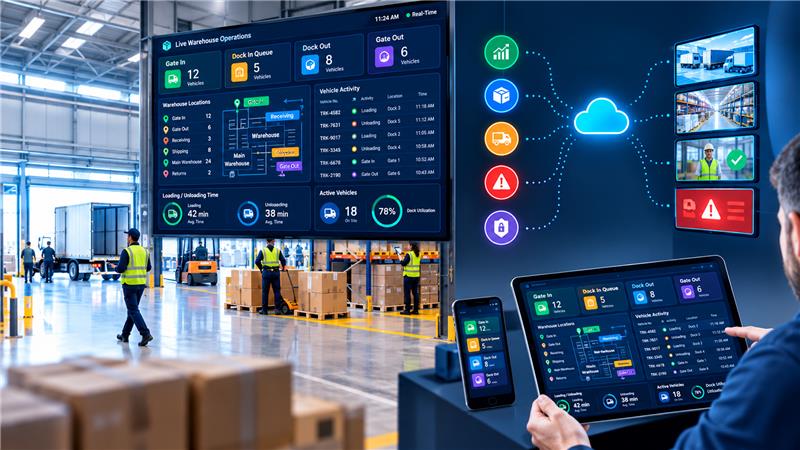
Smart dock systems enhance the flow of goods into and out of warehouses and retail distribution centers by combining automation, Internet of Things-enabled devices, and real-time analytics. These systems provide the following advantages over conventional manual dock management:
1. Automated Scheduling: To prevent traffic jams and idle time, intelligent systems match dock availability with truck arrivals.2. Real-Time Visibility: Using centralized dashboards, managers may monitor vehicle locations, shipment status, and turnaround times.
3. Enhanced Safety: By keeping an eye on dock equipment and guaranteeing correct alignment, sensors and automatic alarms lower the chance of accidents.
4. Data-Driven Efficiency: By identifying persistent bottlenecks, advanced analytics facilitate ongoing operational improvement.
5. Smooth Integration: For efficient data flow, smart docks integrate with transportation and warehouse management systems.
6. Increased Customer Satisfaction: Quicker dock operations translate into faster deliveries, which maintain timely stocking of shop shelves.
7. Scalability: Smart dock systems are readily and uninterruptedly able to adjust to expanding retail operations and seasonal demand spikes.
8. Compliance Support: Businesses may easily comply with industry standards and legal requirements with the aid of automated tracking and reporting.

Benefits of Smart Dock Systems for Retail Growth
Smart dock solutions directly contribute to the expansion and competitiveness of retail beyond operational efficiency.
1. Faster Turnaround: Swift loading and unloading enables merchants to fulfill strict delivery deadlines.2. Cost optimization: Fuel consumption, labor costs, and storage costs are all decreased when idle time is decreased.
3. Scalability: When retailers create new distribution centers or grow their operations, systems can readily adjust.
4. Sustainability: Green initiatives are supported by efficient dock usage, which lowers carbon emissions and energy waste.
5. Increased Accuracy: Automated procedures minimize shipment errors, guaranteeing that the appropriate goods arrive at the appropriate locations on schedule.
Conclusion
By removing inefficiencies, cutting expenses, and speeding up delivery, smart dock systems are revolutionizing retail supply chains. Dock automation stands out as a crucial step in creating robust and future-ready supply networks as shops continue to use digital technologies. For any questions, send an email to support@mawalog.com.